
In the quest for enhanced operational efficiency and reliability, the Tutuka Power Station in Mpumalanga embarked on a comprehensive upgrade and refurbishment of its Heating, Ventilation, and Air Conditioning (HVAC) systems. This initiative aims to improve HVAC availability, compliance, lifecycle value, and seamless integration into a Dedicated new Supervisory Control and Data Acquisition (SCADA) system.
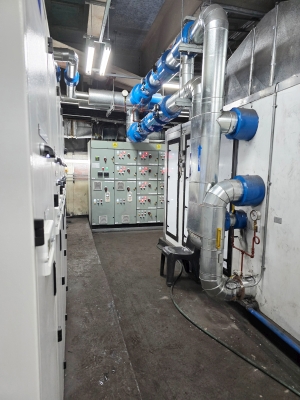
As part of the HVAC programme, John Thompson HVAC (JT-HVAC), a division of ACTOM, replaced the aged Air Handling Units (AHUs) with a modern, high-efficiency, low-maintenance solution.
The scope of the project included refurbishing smaller package systems to maximise their lifespan and standardise spare parts.
“This strategic upgrade also involved a complete electrical overhaul, featuring new type-tested Motor Control Centres (MCCs) compliant with IEC 61439-2 standards”, said Premlan Govender, Deputy Branch Manager for Refrigeration at John Thompson HVAC.
Govender added: “Key components of the electrical scope included the replacement of power, protection, and control cabling, alongside the deployment of a state-of-the-art Building Management System (BMS) that adheres to the requirements of 21 CFR Part 11, ensuring secure audit trails and electronic records”
The project was designed to minimise production impact through staged outages, factory acceptance testing (FAT), and stringent on-site commissioning governed by a Quality Assurance/Quality Control plan.
Objectives of the HVAC Upgrade
The primary objectives of the HVAC refurbishment programme include:
Enhancing HVAC Availability: Increasing redundancy and controllability in critical areas.
Energy Efficiency: Reducing energy consumption through the deployment of high-efficiency fans and motors, Variable Speed Drives (VSDs), and optimised control sequences.
Standardisation: Streamlining equipment and controls for improved maintainability and spares rationalisation.
Compliance: Ensuring adherence to key standards, including IEC 61439-2 for MCCs, SANS 10142-1 for electrical installations, and relevant fire/life safety regulations.
Integration: Facilitating clean integration with existing protection systems, alarms, and DCS/SCADA without introducing new failure points.
Assessment of Existing Conditions
The old HVAC systems at the power station faced significant challenges:
- Ageing Infrastructure: The AHUs and smaller systems were increasingly inefficient and unreliable.
- Obsolete Equipment: The old motor control centres lacked adequate safety measures and present challenges in sourcing spare parts.
- Fragmented Controls: The control systems exhibited inconsistencies in instrumentation and alarm analytics.
- Environmental Factors: Conditions such as coal dust, variable ambient temperatures, and high altitude necessitate specific considerations for equipment design and protection.
Technical Solution Overview
The JT-HVAC offered technical solutions to these challenges, which comprised several key initiatives:
Large AHU Replacements
The new programme replaced the large AHUs with N+1 redundancy configurations, automatic fan switching, and advanced filtration systems designed to ensure high air quality. Additional features include corrosion-resistant casing, temperature and humidity control sensors, and rigorous commissioning processes to ensure optimal performance.
Refurbishment of Smaller Systems: Smaller package systems were refurbished with updated components, including fan overhauls, motor upgrades, and standardised sensor technologies. The aim was to restore original operating conditions and improve overall performance.
New Motor Control Centres (MCCs): New MCCs were designed to meet the latest safety standards, incorporating features that mitigate arc-flash risks and enable efficient maintenance access.
Comprehensive Cabling and Control Systems: The project implemented upgraded cabling solutions to accommodate current standards and environmental challenges, along with enhanced protection mechanisms.
Advanced Building Management System (BMS): The innovative BMS features secure user management, audit trails, and electronic record capabilities to facilitate compliance with regulatory requirements.
Conclusion
The HVAC Upgrade and Refur-bishment Programme at Tutuka Power Station represents a strategic investment in maintenance and efficiency, aligning with the client’s priorities for reliability and compliance.
With careful planning and execution, the upgrade revitalised a critical HVAC system, ensuring longevity and improved operational performance for years to come.